The loop
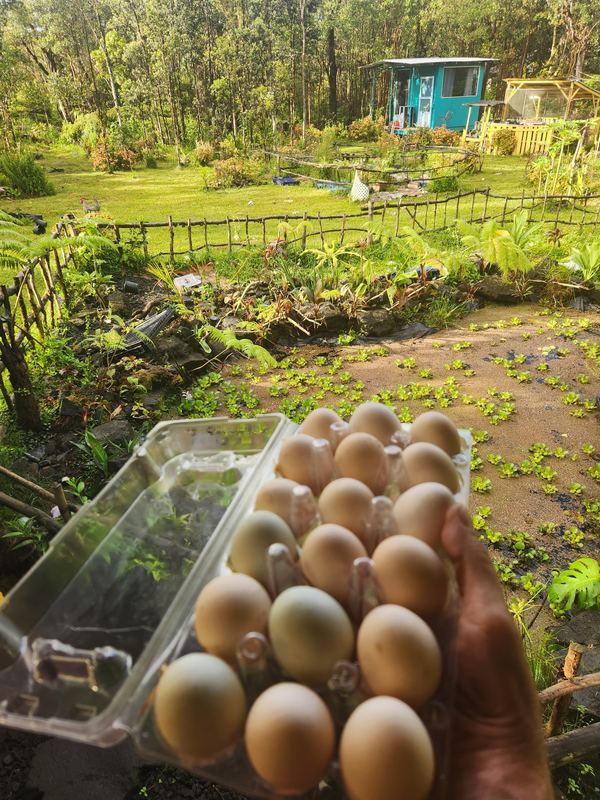
Water comes off the roofs into catchment, then into the ponds. Excess pond plants and fertilized fish-and-pond water go onto the fruit trees. Rain becomes storage; storage becomes habitat; habitat becomes fertility. That is how FlashTown farms — not as a slogan, as plumbing.
We are completely off grid. Solar powers daily life. Cell phones work. The only line coming in is fiber, because robots need internet.
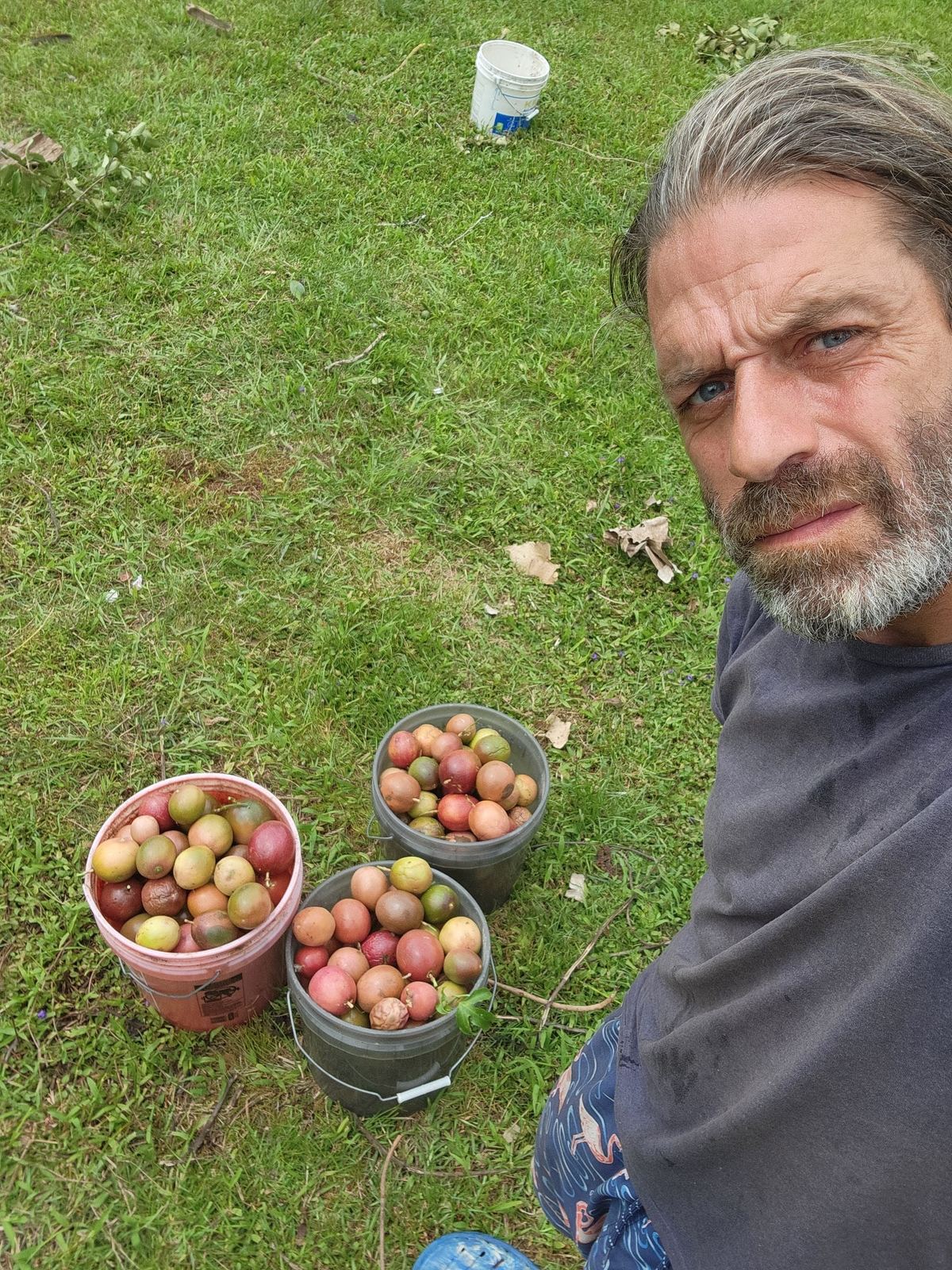
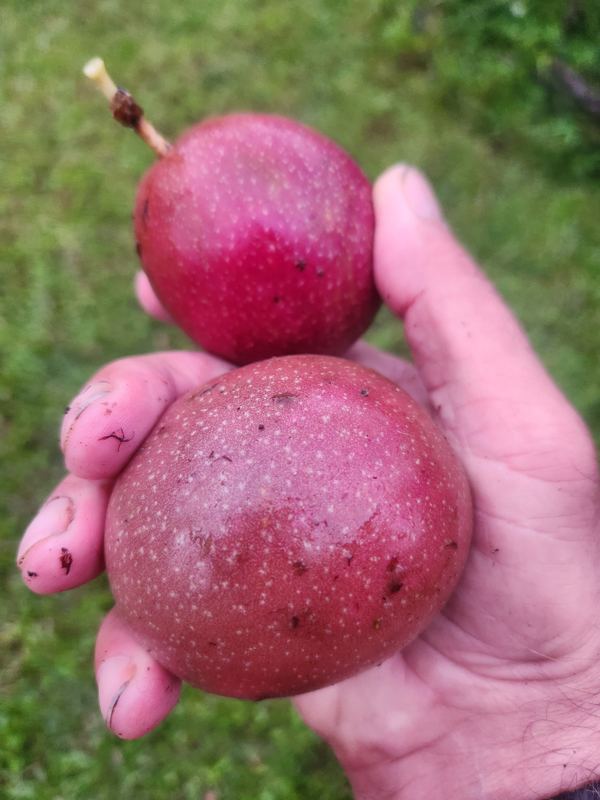
Huge lilikoʻi.
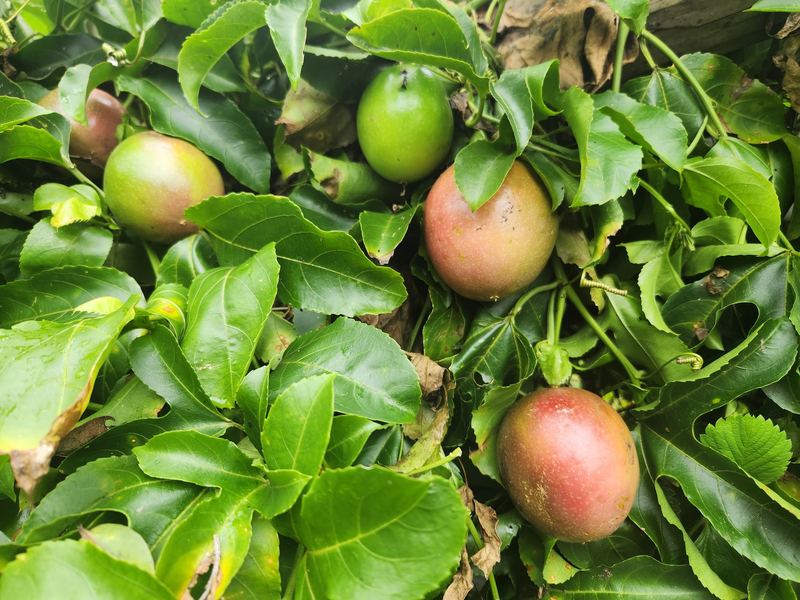
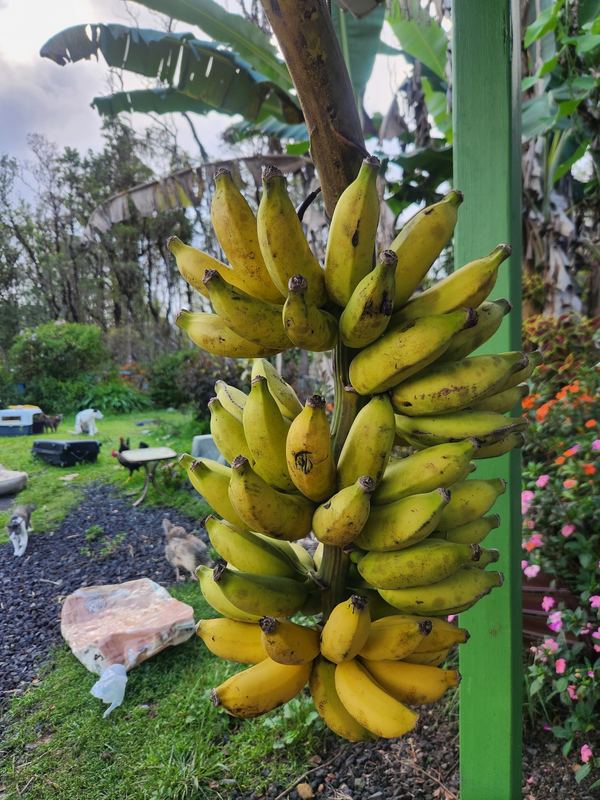
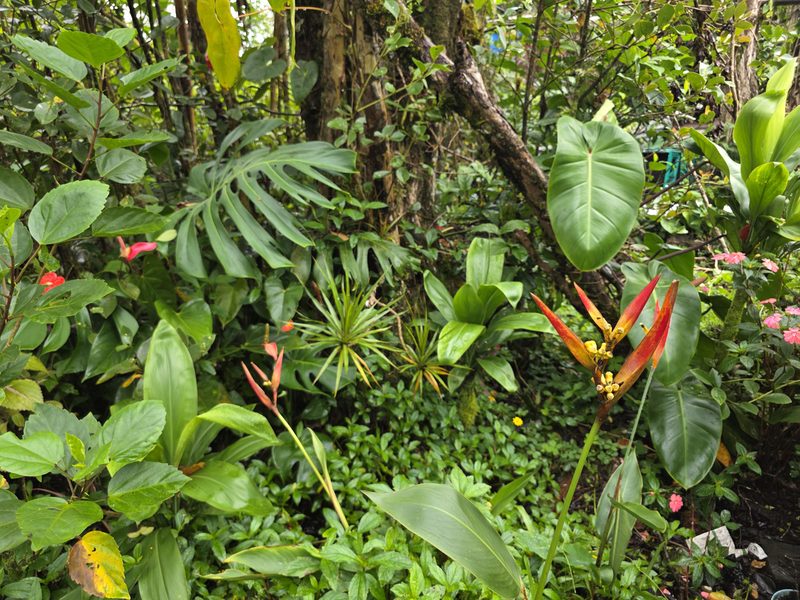
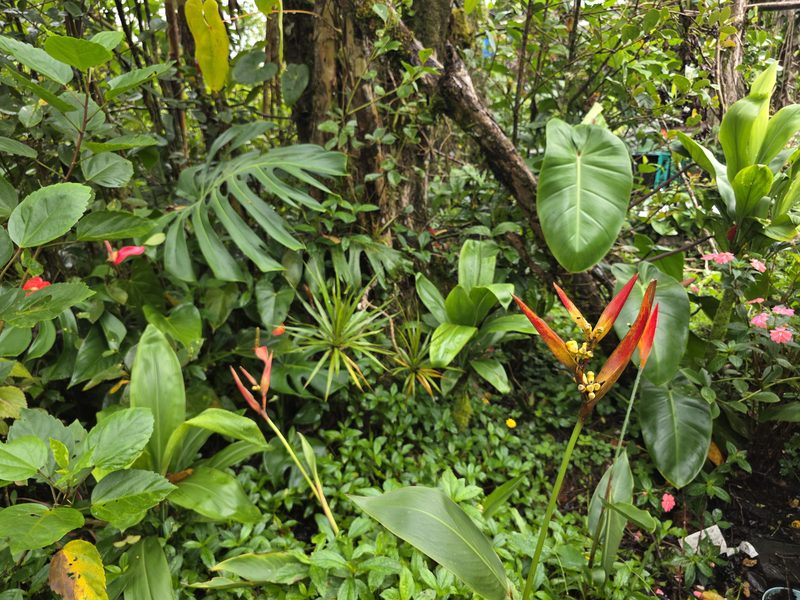
This is a serious lilikoʻi (passionfruit) farm. Buckets fill. Vines load up. Bananas hang by the cabin door. Papaya, mint, aloe, cranberry hibiscus, berries, flowers — the plant list keeps growing out of black volcanic rock.
All the botanical ingredients for Fruity Puppy grow here. Sometimes Jessie makes batches in the small guest cabin. The cream is its own business; the farm is why it tastes like this place.
It started with a rescue pig.
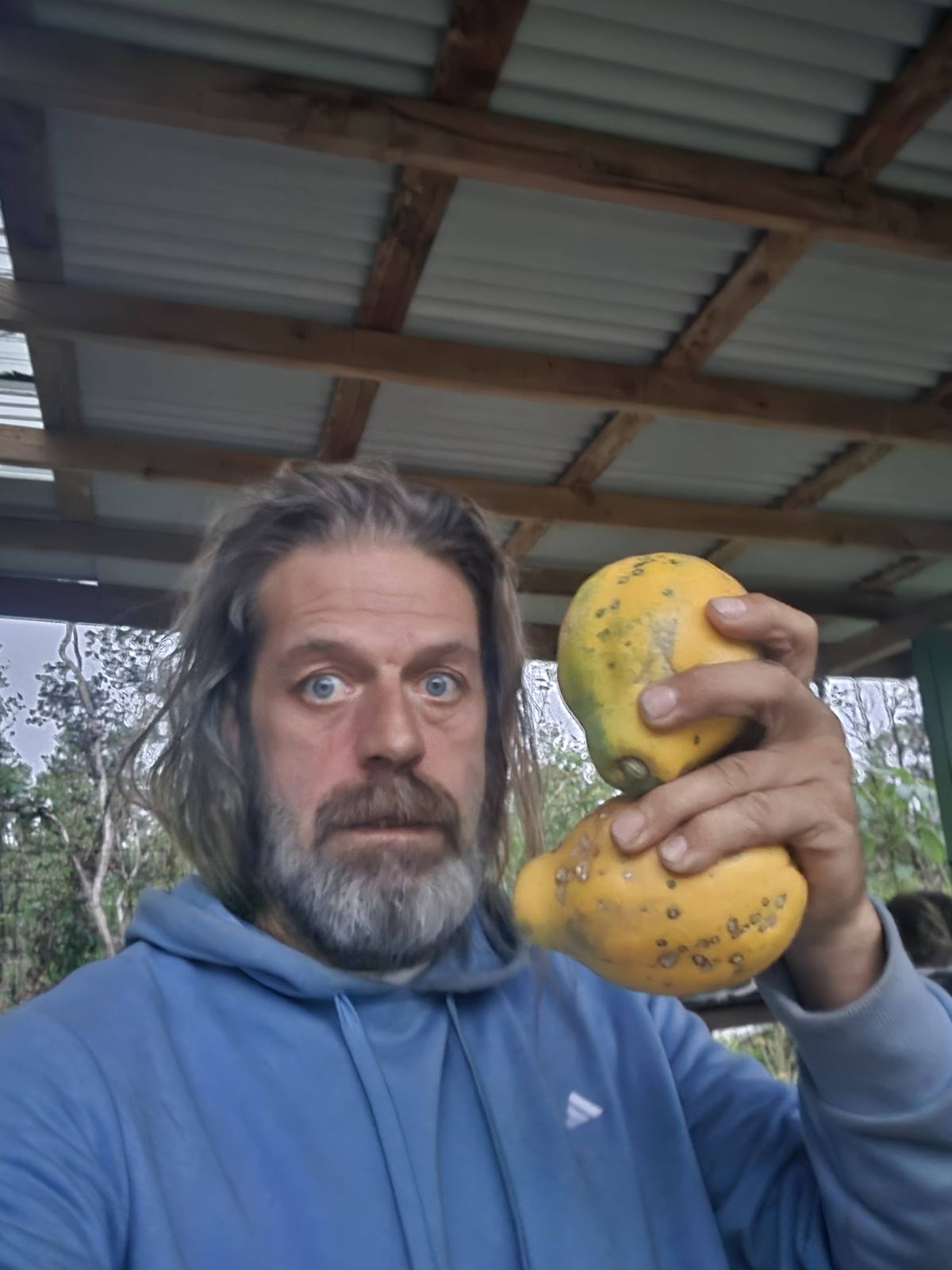
The first papaya grew by accident — out of a rescue pig’s manure, in freshly cleared volcanic soil. That one surprise tree sparked the plant curiosity that became Fruity Puppy. Rescue, soil, a happy accident, and paying attention.
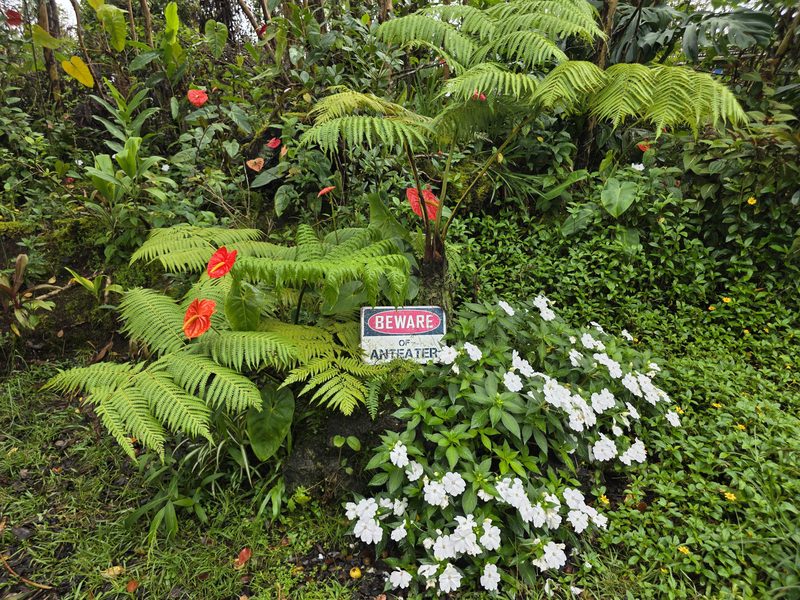
Front half farm. Back half forest.
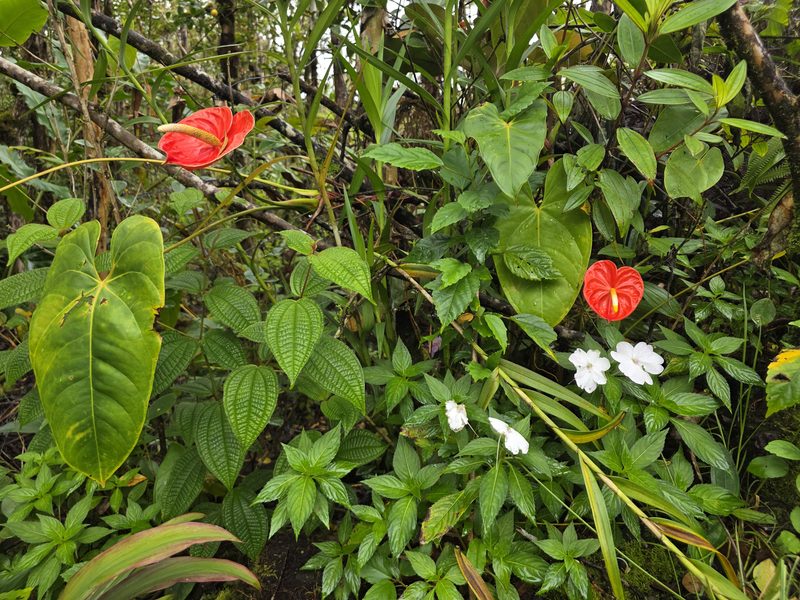
The lived-in half is decks, ponds, fruit, and animals. The back half is rainforest. USGS maps put Mountain View on the ʻAilāʻau pāhoehoe — a decades-long Kīlauea eruption that ended around 1470 CE and buried much of Puna. The huge ʻōhiʻa out back are what grew after that lava cooled — not a forest that survived the flows. We build carefully, because this ground was here first.